



Understanding PPS (Programmable Power Supply): Why Your Phone Needs It
 02 Feb,2026
The landscape of mobile charging has shifted dramatically over the last few years. We have moved from simple 5W "bricks" to sophisticated power delivery systems capable of fueling laptops and flagship smartphones simultaneously. At the heart of this revolution is a technology often overlooked but critically important: Programmable Power Supply (PPS). If you are currently shopping for a 100W USB charger, understanding PPS is the key to ensuring your devices charge safely and at their maximum potential.
What is PPS and How Does It Work?
Programmable Power Supply (PPS) is the most advanced charging technology available under the USB Power Delivery (USB-PD) 3.0 standard. While traditional chargers provide fixed increments of voltage (such as 5V, 9V, or 12V), a PPS-enabled USB mobile charger can communicate with your device in real-time.
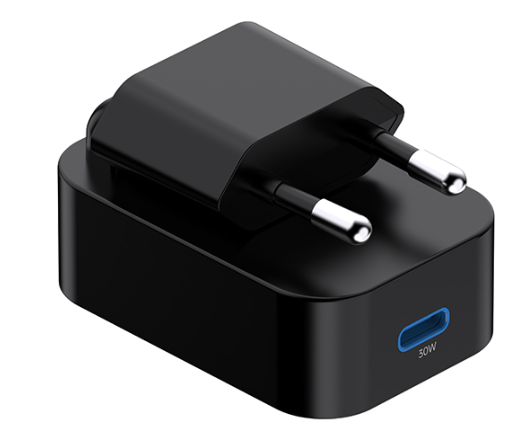
The Dynamic Communication Process
Unlike legacy systems, PPS allows the charger and the smartphone to "negotiate" every ten seconds. This constant feedback loop allows the charger to adjust its output voltage and current in small increments—typically 20mV for voltage and 50mA for current. This granularity ensures that the battery receives exactly the power it needs, reducing energy loss in the form of heat.
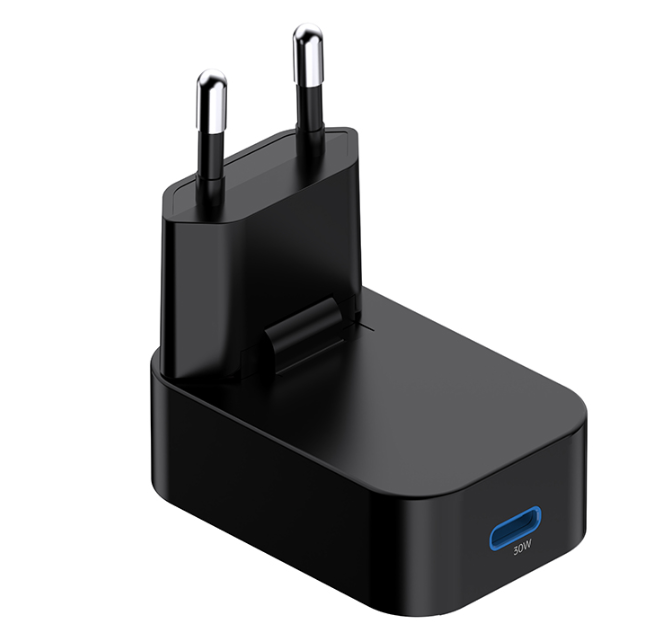
Reducing Heat for Battery Longevity
Heat is the primary enemy of lithium-ion batteries. When a charger pushes too much voltage, the phone’s internal circuitry must step it down, a process that generates significant heat. By using a PPS-compatible 100W USB charger, the conversion happens more efficiently. The result? A cooler charging process that preserves your battery's lifespan over hundreds of cycles.
Why a 100W USB Charger is the Modern Standard
As we demand more from our mobile workspaces, the need for a high-wattage USB mobile charger has become undeniable. A 100W USB charger is no longer just for power-hungry laptops; it is the cornerstone of a "one-charger-for-all" ecosystem.
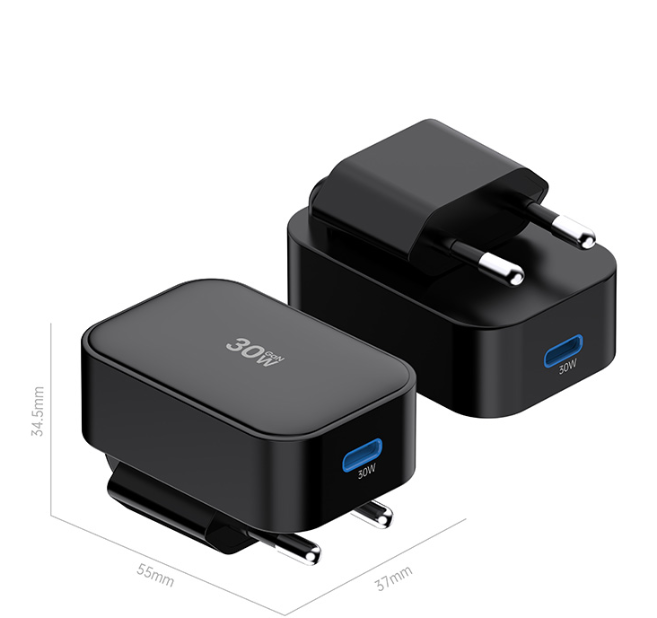
Charging Multiple Devices Simultaneously
Most high-end chargers feature multiple ports. With 100W of total overhead, you can fast-charge a MacBook Pro at 65W while still having 35W left to supercharge a Samsung Galaxy or an iPhone. Without PPS support, even a high-wattage charger might fail to trigger the "Super Fast Charging" protocols required by modern Android flagships.
Future-Proofing Your Setup
Technology moves fast. While your current phone might only peak at 25W or 45W, the next generation will likely push those boundaries. Investing in a 100W USB charger with PPS ensures that you won't need to upgrade your hardware every time you buy a new smartphone or tablet.
Compatibility: Does Your Device Need PPS?
Not every device requires PPS, but for those that do, the difference in charging speed is night and day.
Samsung Galaxy Series
Samsung is a major proponent of PPS. Their "Super Fast Charging 2.0" (45W) requires a charger that supports specific PPS voltage ranges. If you use a standard 60W Power Delivery charger without PPS, your phone may default to a slower 15W or 25W speed.
Google Pixel and Other Flagships
The Google Pixel series also utilizes the PPS standard to optimize thermal management. Similarly, many high-end Chinese smartphones utilize PPS as a fallback or primary method for high-speed top-ups. Even for devices that don't strictly require it, a PPS-capable USB mobile charger offers a more refined power delivery than older models.
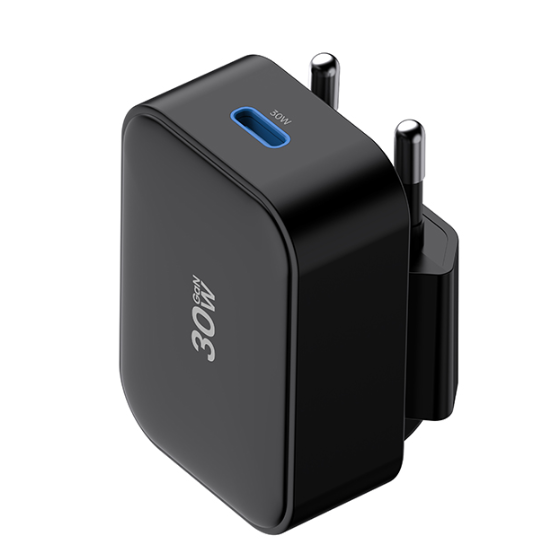
How to Choose the Right USB Mobile Charger
When browsing for a new charger, the specifications can be overwhelming. Here is what to look for to ensure you are getting a top-tier product:
GaN Technology: Look for Gallium Nitride (GaN) chargers. These are smaller, more efficient, and run cooler than traditional silicon-based chargers, making them perfect for high-output 100W USB chargers.
PPS Certification: Ensure the product description explicitly mentions "PPS" or "USB-PD 3.0 PPS."
Port Distribution: Check how the 100W is split. A good charger should intelligently allocate power when multiple devices are plugged in.
Cable Quality: Don't forget the cable! To reach 100W, you must use a USB-C to USB-C cable with an E-Mark chip rated for 5A.
Conclusion: The Future of Efficient Power
The transition to PPS represents a move toward smarter, safer, and more efficient electronics. By choosing a 100W USB charger equipped with this technology, you aren't just buying a power source; you are investing in a sophisticated management system that protects your expensive mobile devices. Whether you are a digital nomad or a casual user, the right USB mobile charger makes all the difference in keeping your tech ready for the day.
 Do GaN Chargers Work with Non-Fast Charging Cables? An Engineering Perspective