



OPPO 120W Mini Square Bottle Dual USB-C GaN Charger Review: 1.64W/cm³ Ultra-High Density
 06 Oct,2026
Introduction: A Compact Dual-Port Flagship Charger
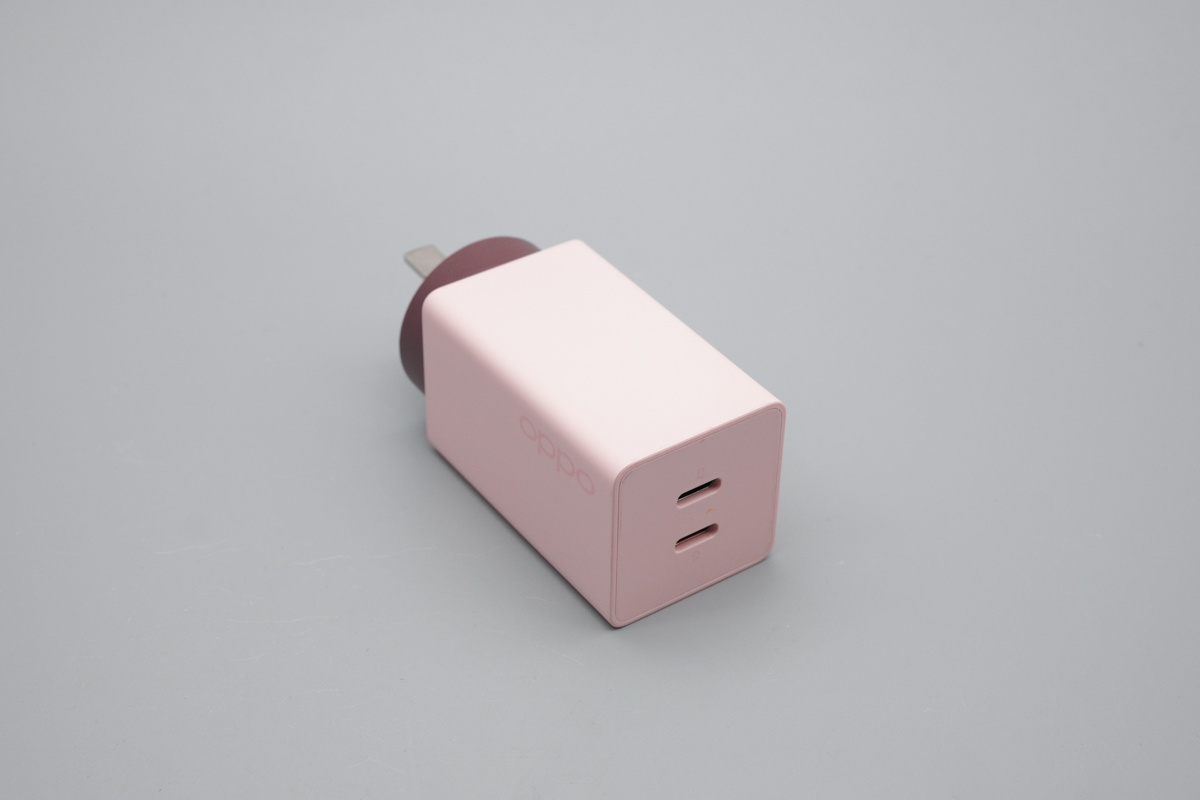
OPPO’s earlier 100W Mini Square Bottle and its Line Puppy edition became popular for their attractive design, small size, and strong output. That charger supported SUPERVOOC, UFCS, PD3.0, PPS, and other mainstream fast-charging protocols, making it useful for phones, tablets, and laptops. Now OPPO has upgraded the formula with a 120W Mini Square Bottle dual USB-C version. It fixes the previous single-port limitation by offering up to 120W from one port and up to 125W total across two ports. This makes it suitable for performance laptops, gaming handhelds, business travel, and daily multi-device charging. This review covers its design, specifications, protocol support, real-world compatibility, charging speed, efficiency, ripple, and safety.
Design and Build: Soft-Touch “Square Bottle” Style
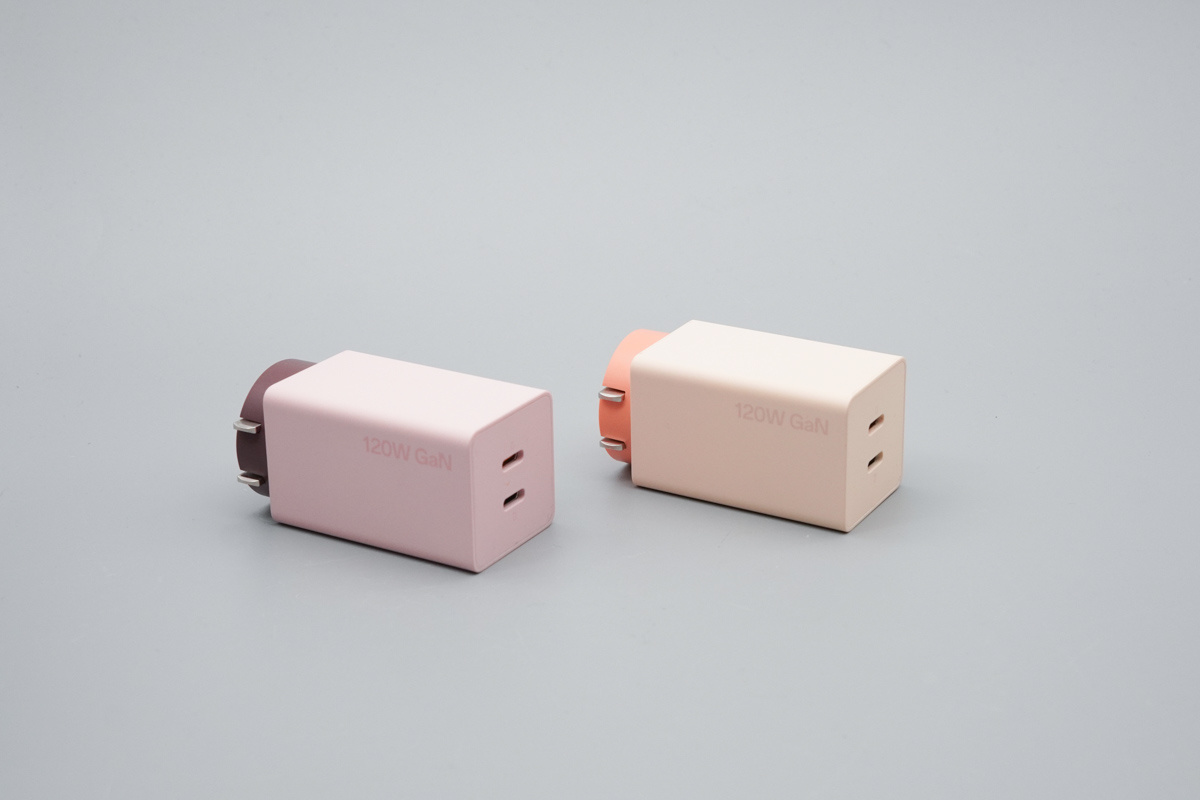
The OPPO 120W Mini Square Bottle continues the family’s “square bottle” design language. It is compact, simple, and visually clean. OPPO offers two light-toned color options: Bright Warm Sun and Rose Mist Velvet, both aimed at younger consumers.
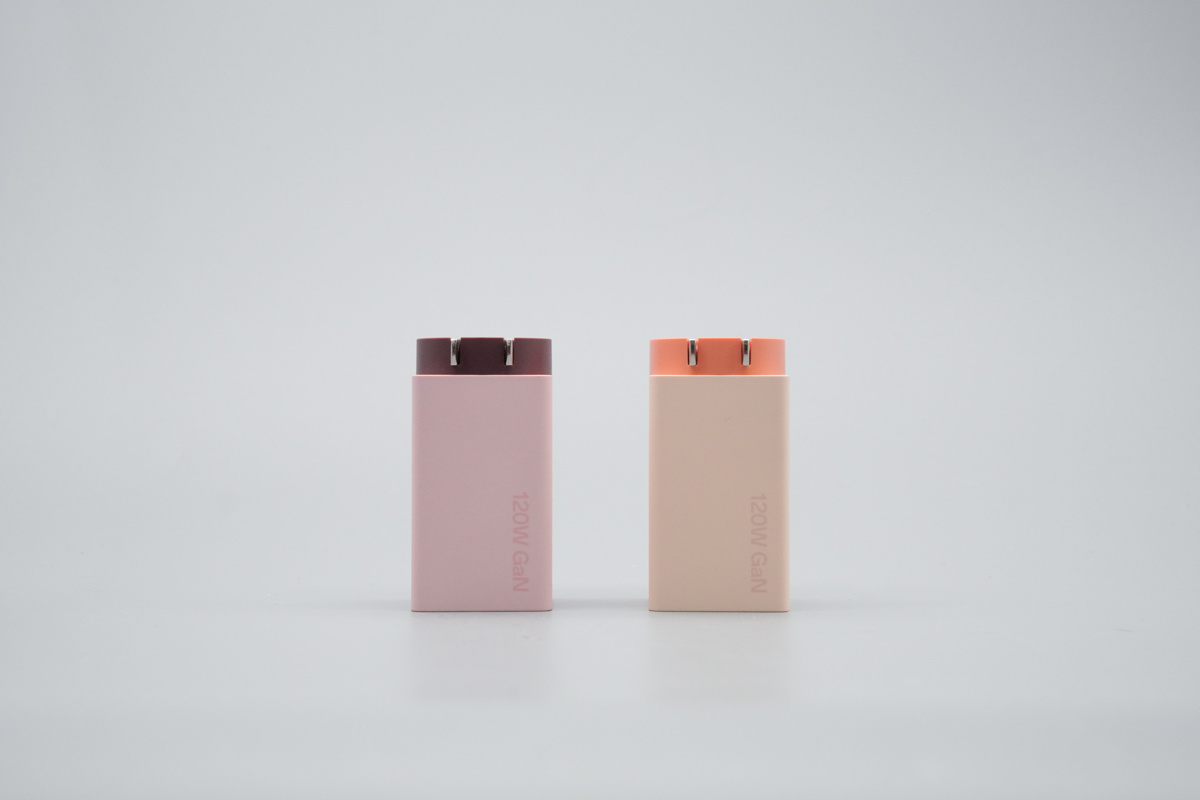
The shell uses an excimer spray coating that feels soft, smooth, and slightly warm to the touch. It is not slippery, which improves grip. The sides are rounded and comfortable, so it does not dig into your hand. The charger also keeps the foldable plug design from the previous generation, making it easy to store and carry.
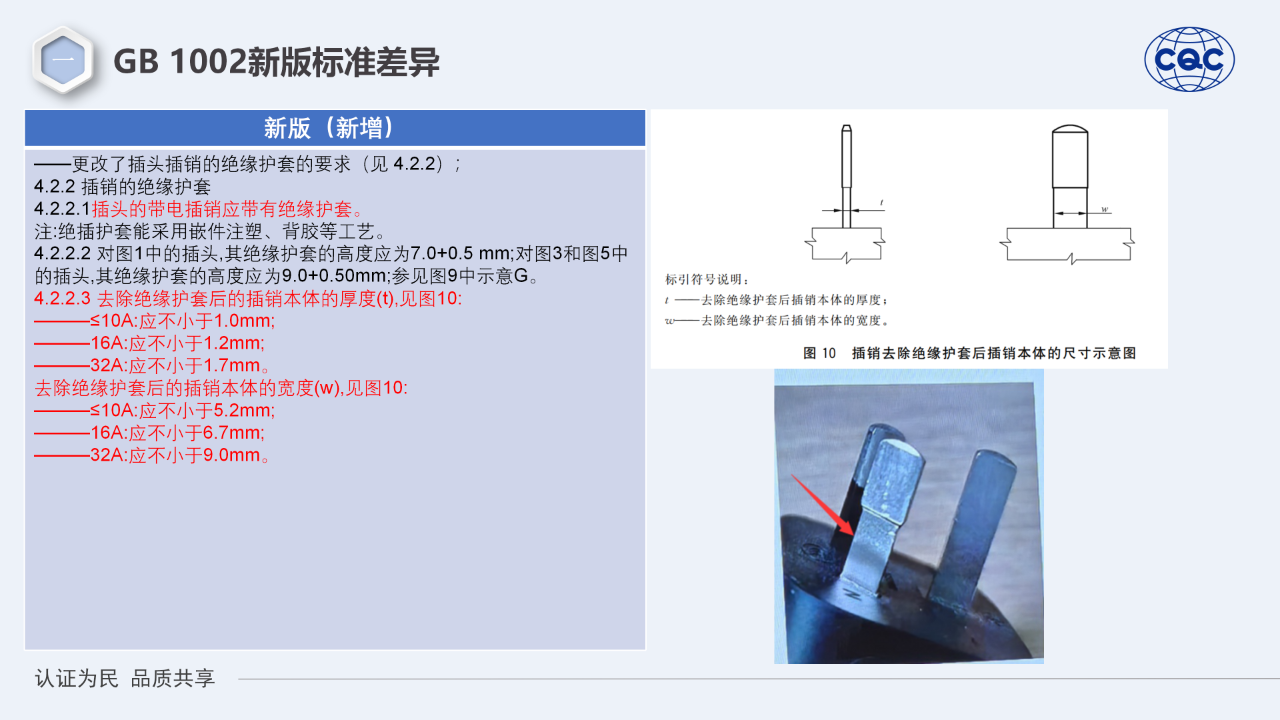
For safety, it follows the new GB1002-2024 standard and adds an insulating sleeve around the plug pins. OPPO says it is among the first chargers to meet this new standard for single-phase plugs and sockets.
Dimensions, Weight, and Power Density
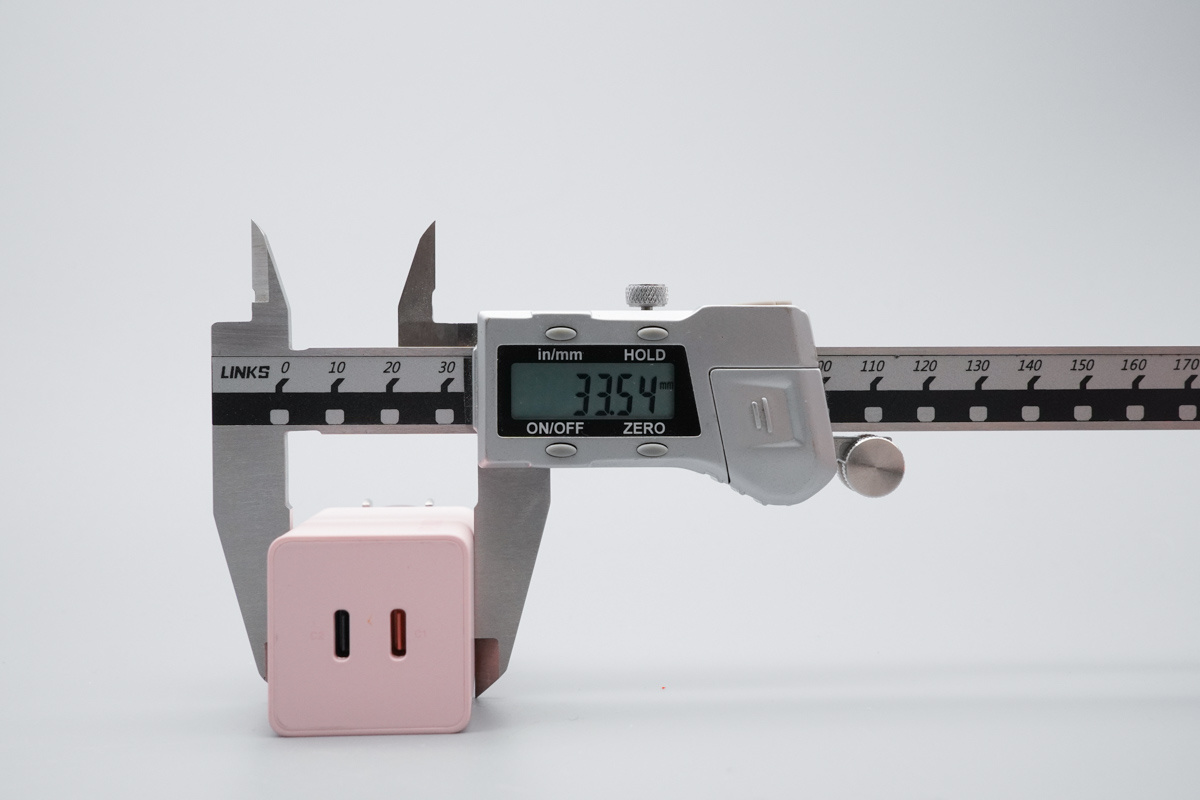
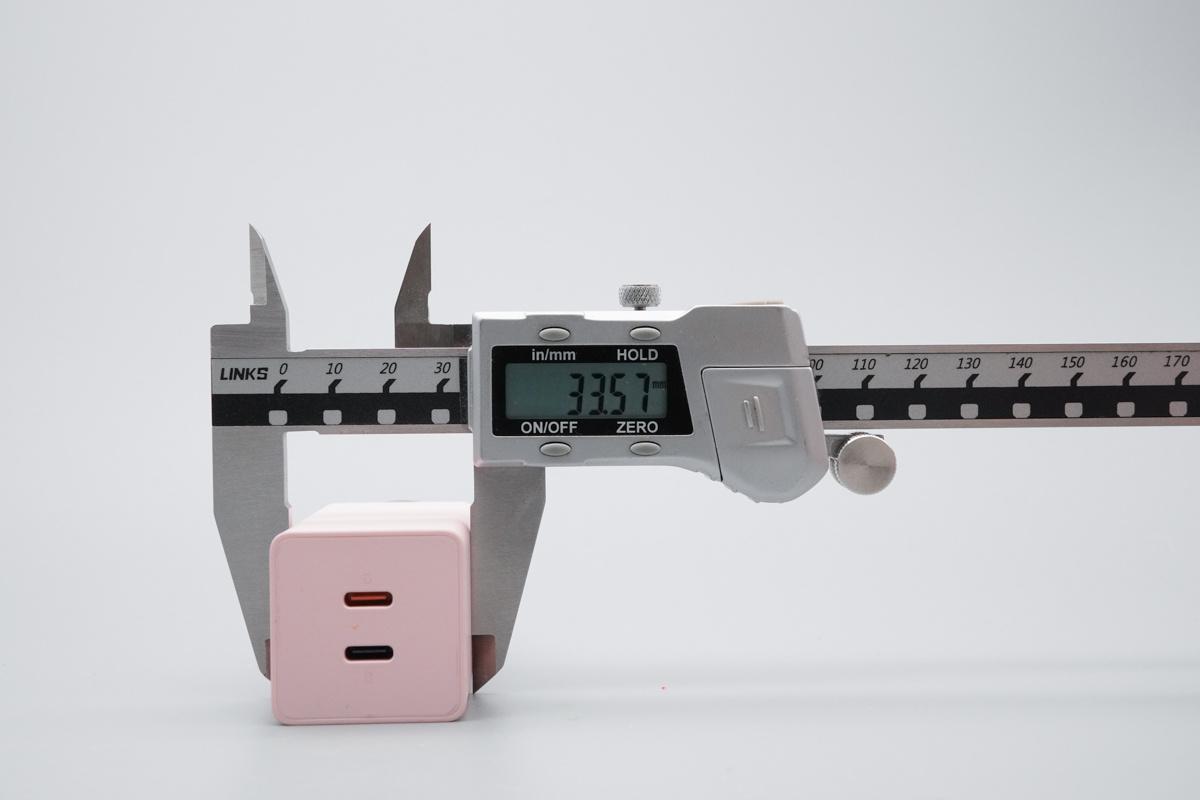
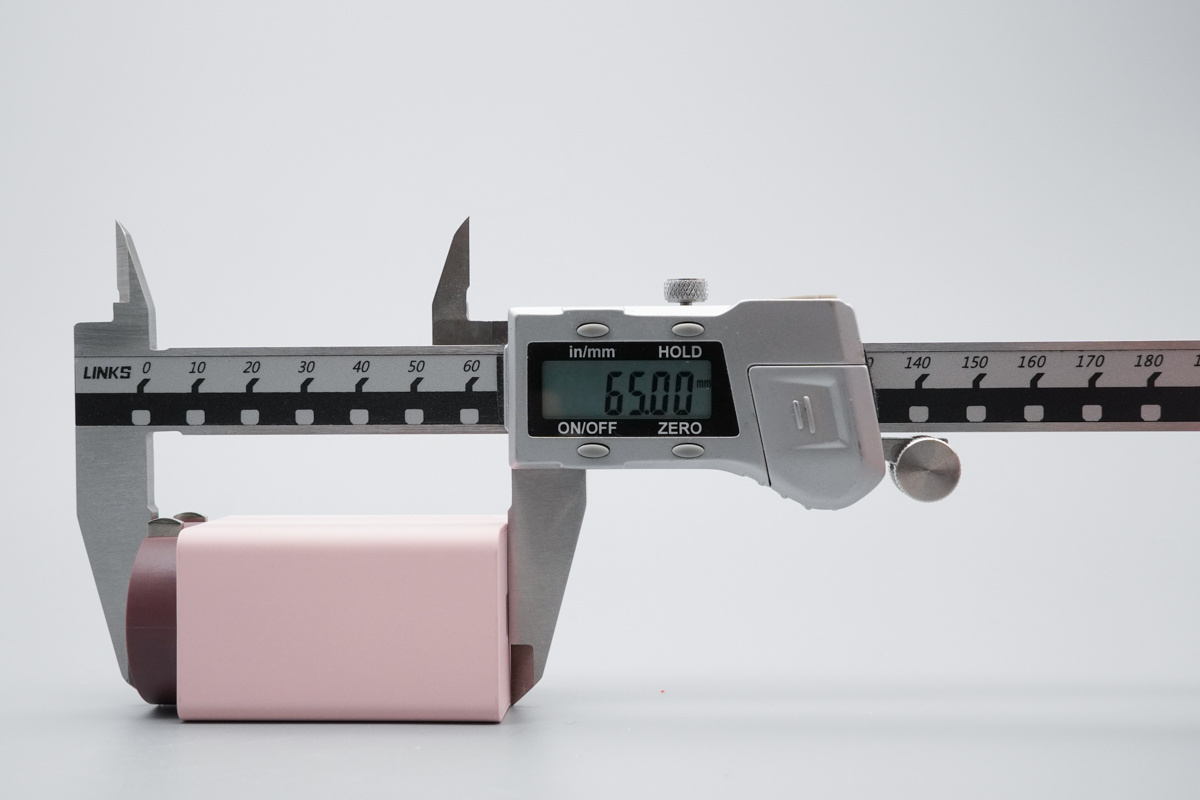
The charger measures about 33.54mm long, 33.57mm high, and 65.00mm wide. Its volume is approximately 73.19cm³. With a 120W rating, that works out to a power density of about 1.64W/cm³, which is remarkably high.
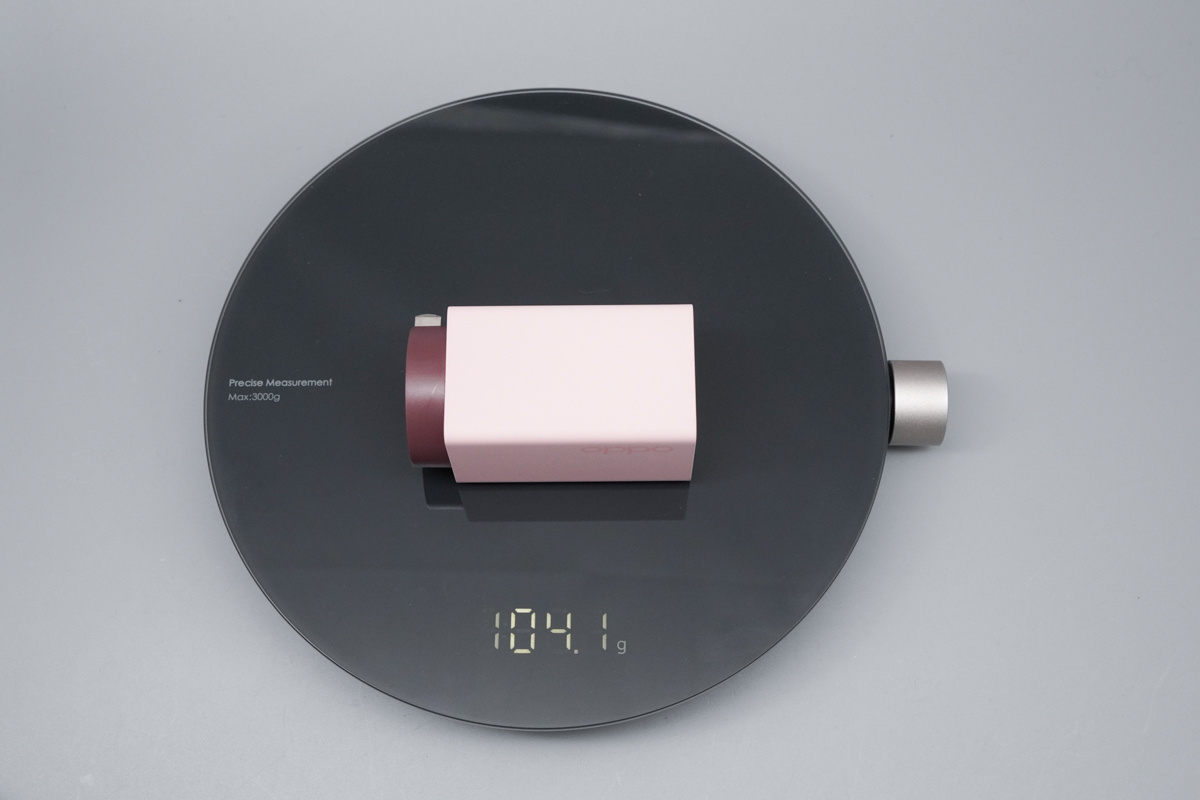
The charger weighs about 104.1g. Compared with Apple’s original 70W charger, it is nearly half the size. Compared with the previous OPPO 100W Mini Square Bottle, it is taller by roughly one cap height, while length and width remain close to the older model. The result is a charger that stays highly portable while adding a second USB-C port and more total power.
Ports and Output Specifications
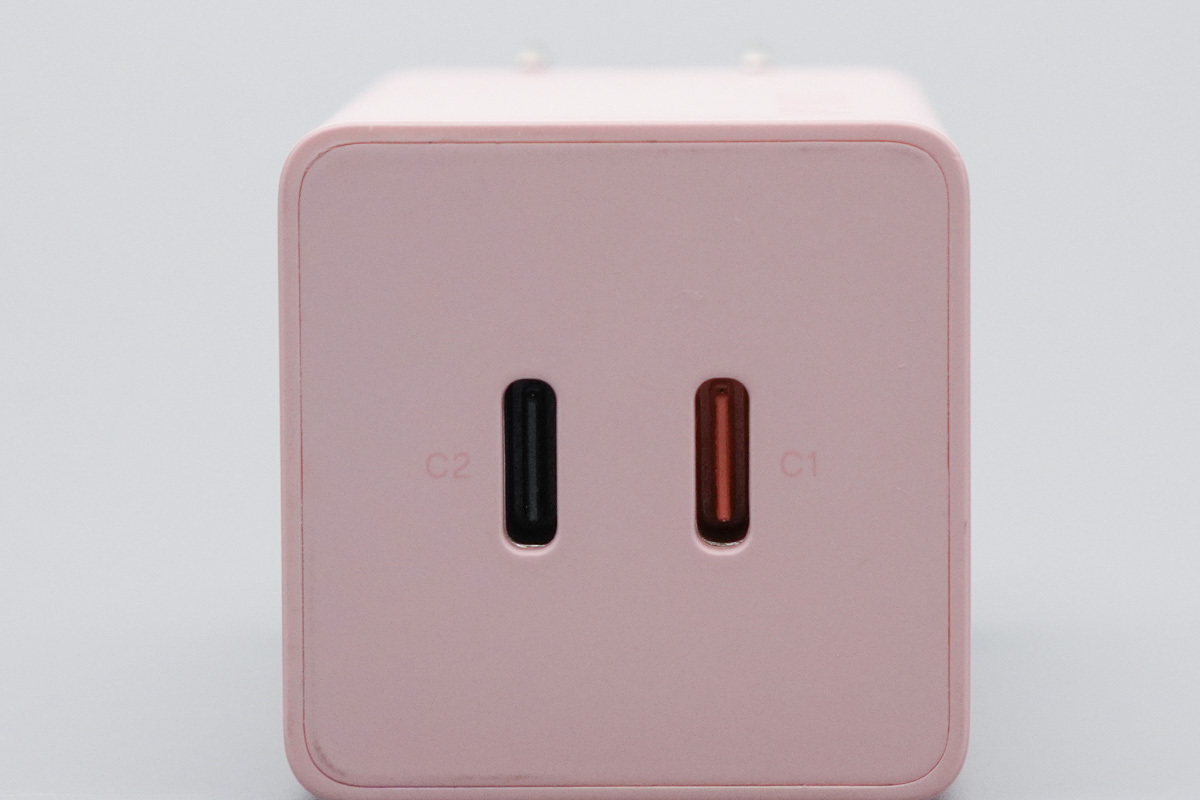
The output panel is square with rounded corners and two USB-C ports marked C1 and C2. Both ports have the same output capabilities. Each supports up to 120W SUPERVOOC, 100W PD, and 100W PPS.
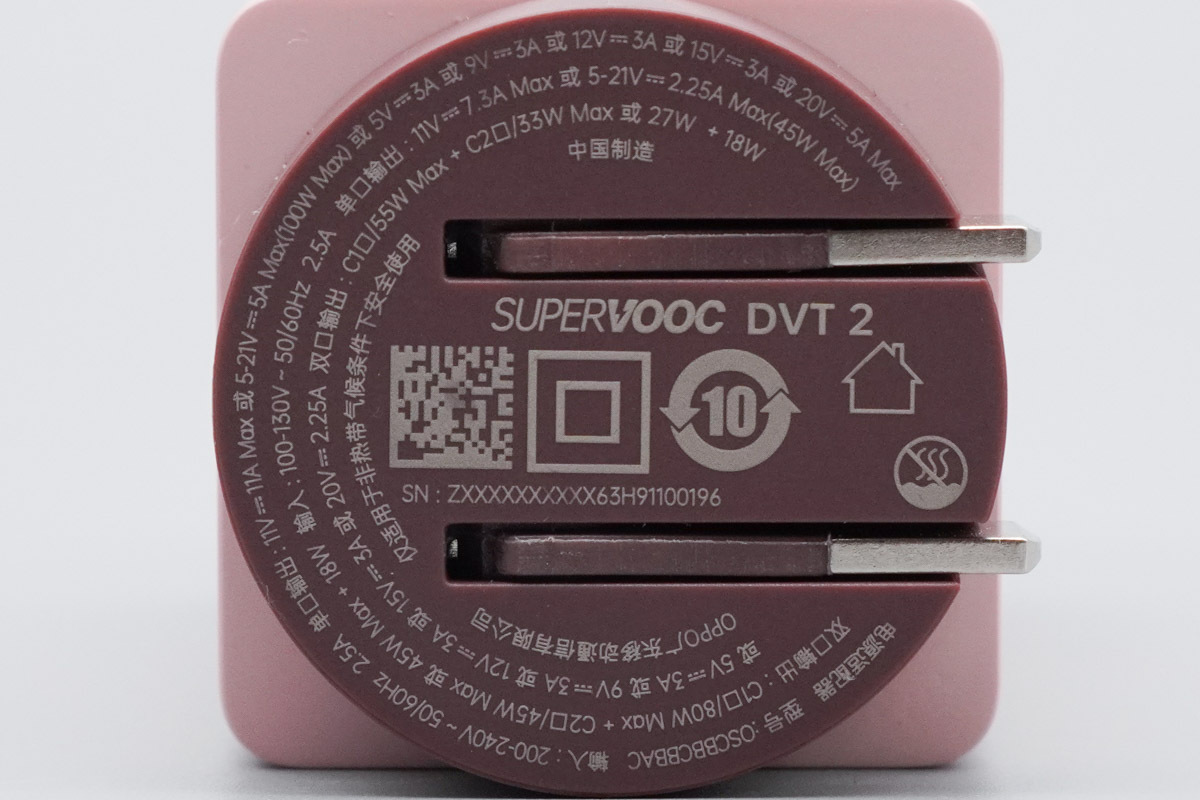
The model number is OSCBBCBBAC. With 200-240V input at 50/60Hz and 2.5A, single-port output can reach 11V11A Max or 5-21V5A Max (100W Max), plus fixed PDOs of 5V3A, 9V3A, 12V3A, 15V3A, and 20V5A Max. Dual-port output is listed as C1 80W Max + C2 45W Max, or 45W Max + 18W. With 100-130V input at 50/60Hz and 2.5A, single-port output is 11V 7.3A Max or 5-21V 2.25A Max (45W Max), plus 5V3A, 9V3A, 12V3A, 15V3A, and 20V2.25A. Dual-port output in low-voltage regions is C1 55W + C2 33W, or 27W + 18W.
Protocol Support: SUPERVOOC, UFCS, PD3.0, PPS, and More
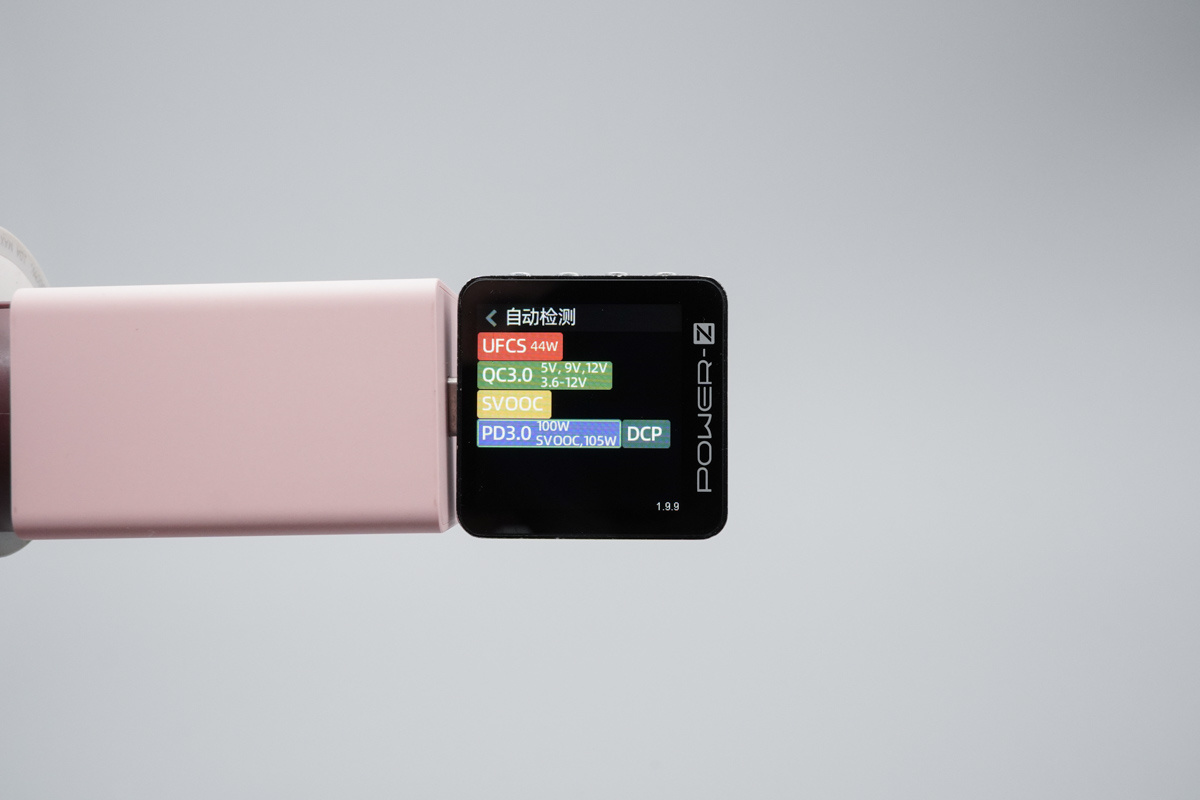
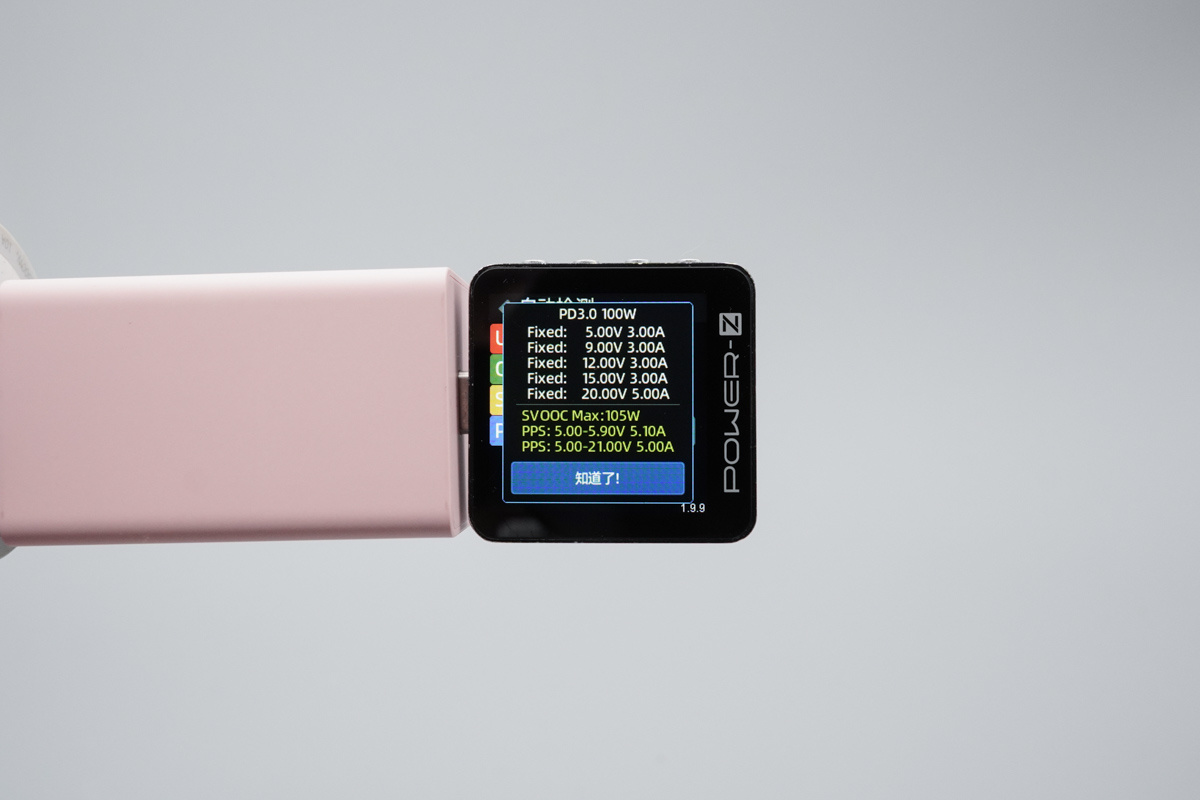
Protocol testing shows that both C1 and C2 support 120W SUPERVOOC. They also support UFCS, QC3.0, PD3.0, DCP, and PPS. The PD PDO list includes five fixed voltage steps: 5V3A, 9V3A, 12V3A, 15V3A, and 20V5A. There is also one PPS range of 5-20V5A and one private protocol range of 5-21V5A.
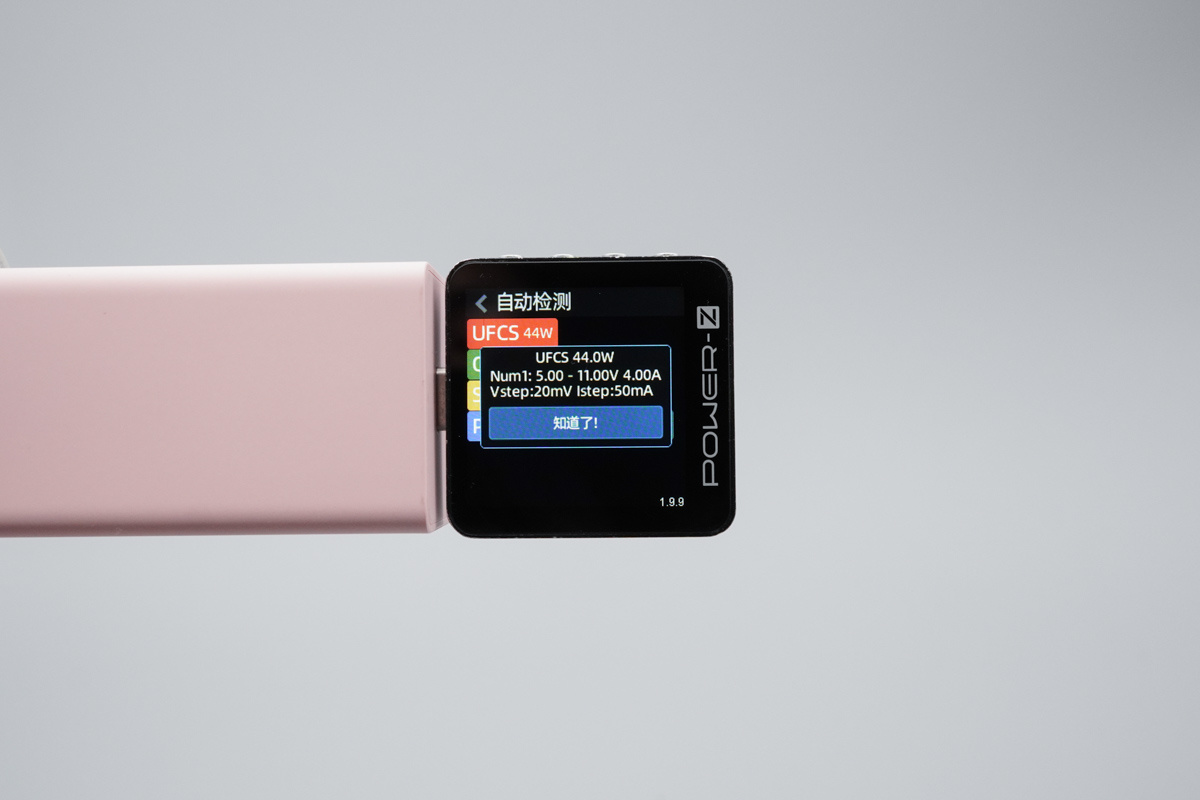
For UFCS, the charger supports up to 44W output with a 5-11V 4A range, 20mV voltage steps, and 50mA current steps. This protocol mix makes the charger unusually flexible for an OPPO-branded accessory. It can serve OPPO and realme devices at high speed while also feeding laptops, tablets, and other USB-C gadgets that rely on PD or PPS.
Compatibility Testing: Strong Across Phones and Laptops
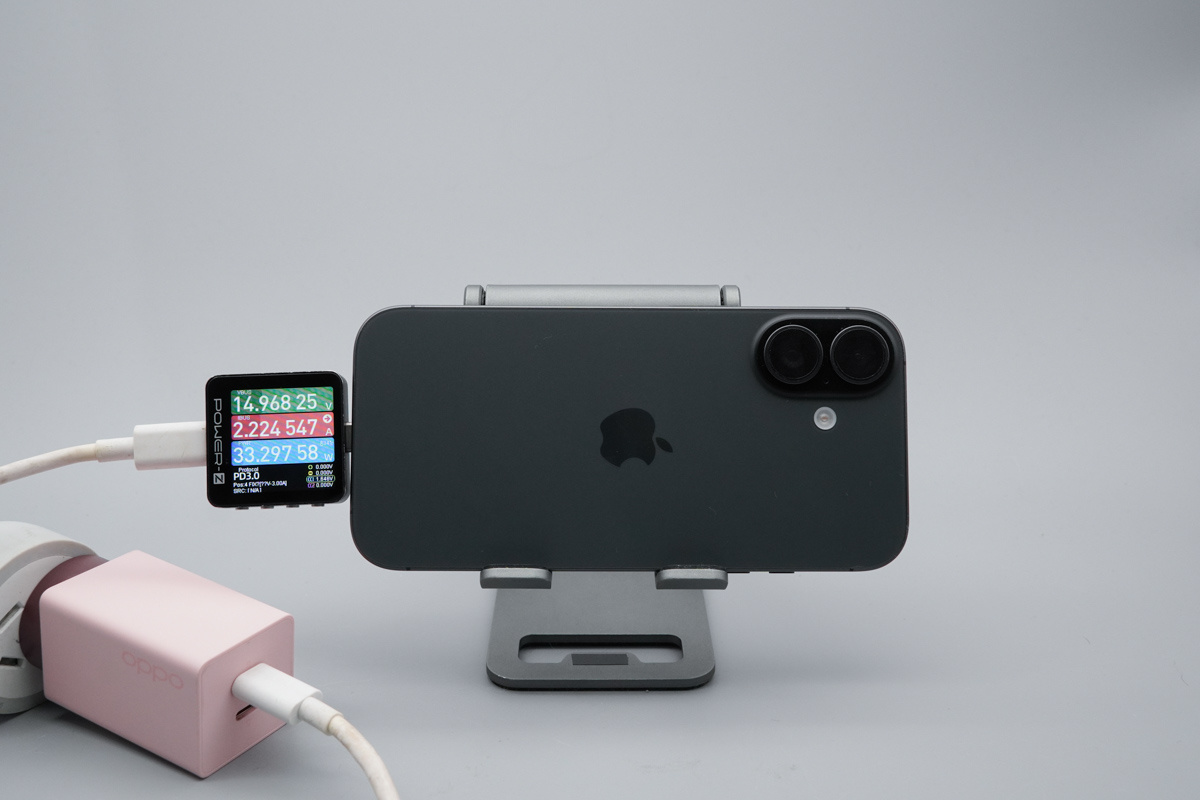
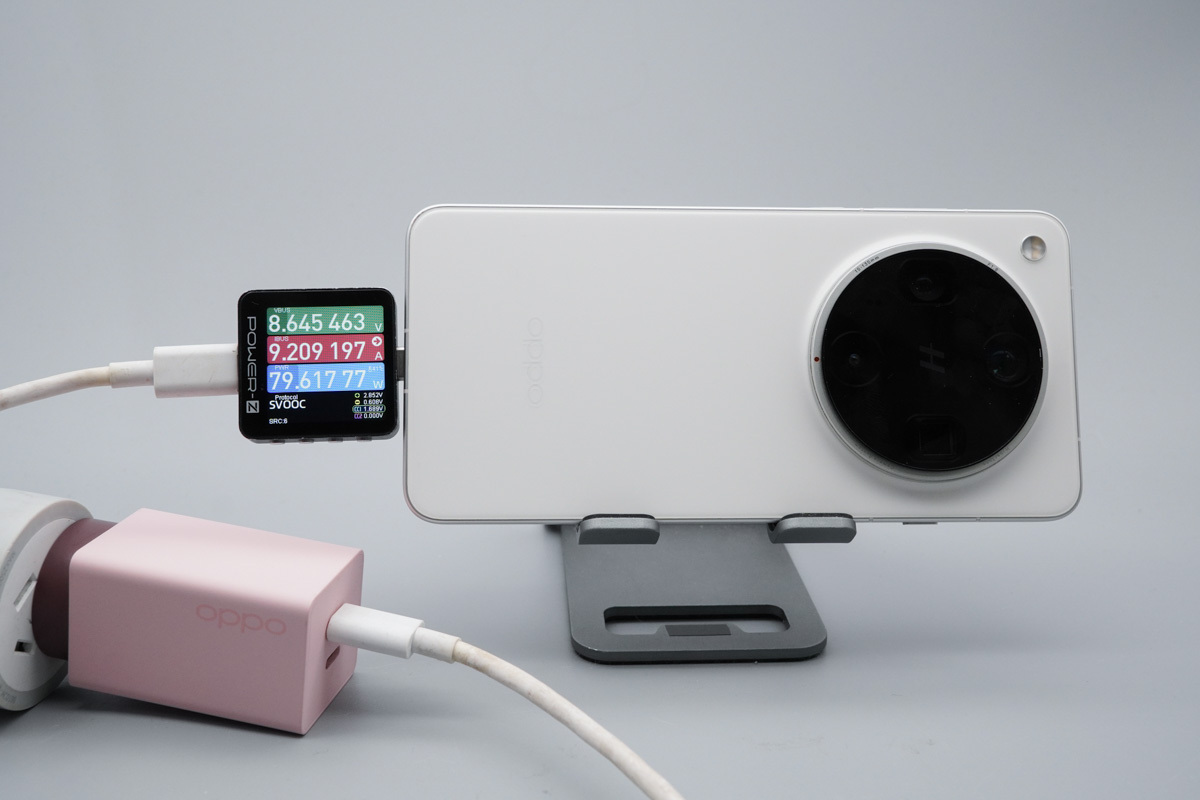
Compatibility tests show broad real-world usefulness. When charging an iPhone 17, the charger negotiated PD and delivered about 14.97V 2.22A, or 33.30W. For an OPPO Find X8 Ultra, it reached about 8.65V 9.21A, or 79.62W. A realme GT Neo 5 pulled about 8.66V 9.18A, or 79.49W. For a MacBook Pro 16 M4 Pro, the charger delivered about 19.85V 4.30A, or 85.33W.
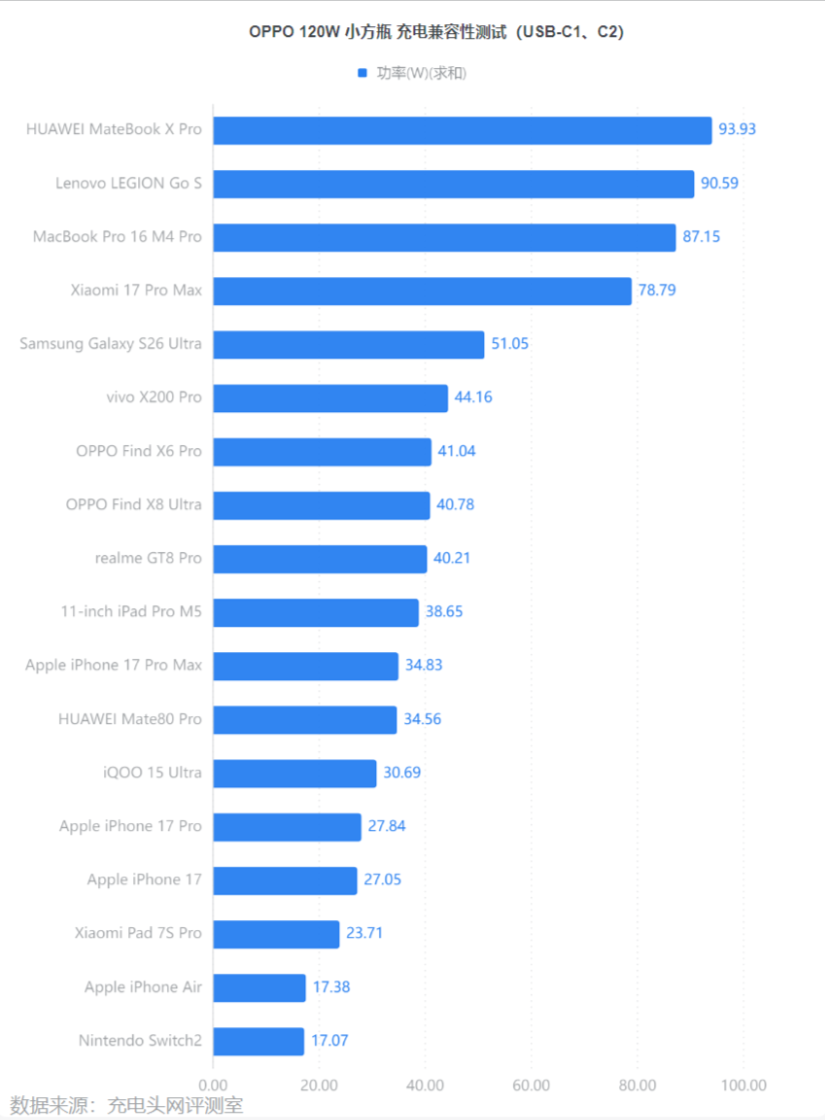
Across larger PD and PPS devices, tested power levels landed between 78W and 94W. PPS-capable phones reached about 79W, 51W, and 40W depending on the model. Apple phones performed consistently and reached their expected original charging speeds. Overall, compatibility is excellent for most modern devices.
Dual-Port Output: Two Devices Without Major Compromise
The dual-port design is one of the biggest upgrades. When charging a MacBook Pro 16 M4 Pro and an OPPO Find X8 Ultra at the same time, the two ports delivered about 43.98W and 40.54W. When charging an OPPO Find X9 Ultra and an OPPO Find X6 Pro together, the output was about 66.75W and 34.52W.
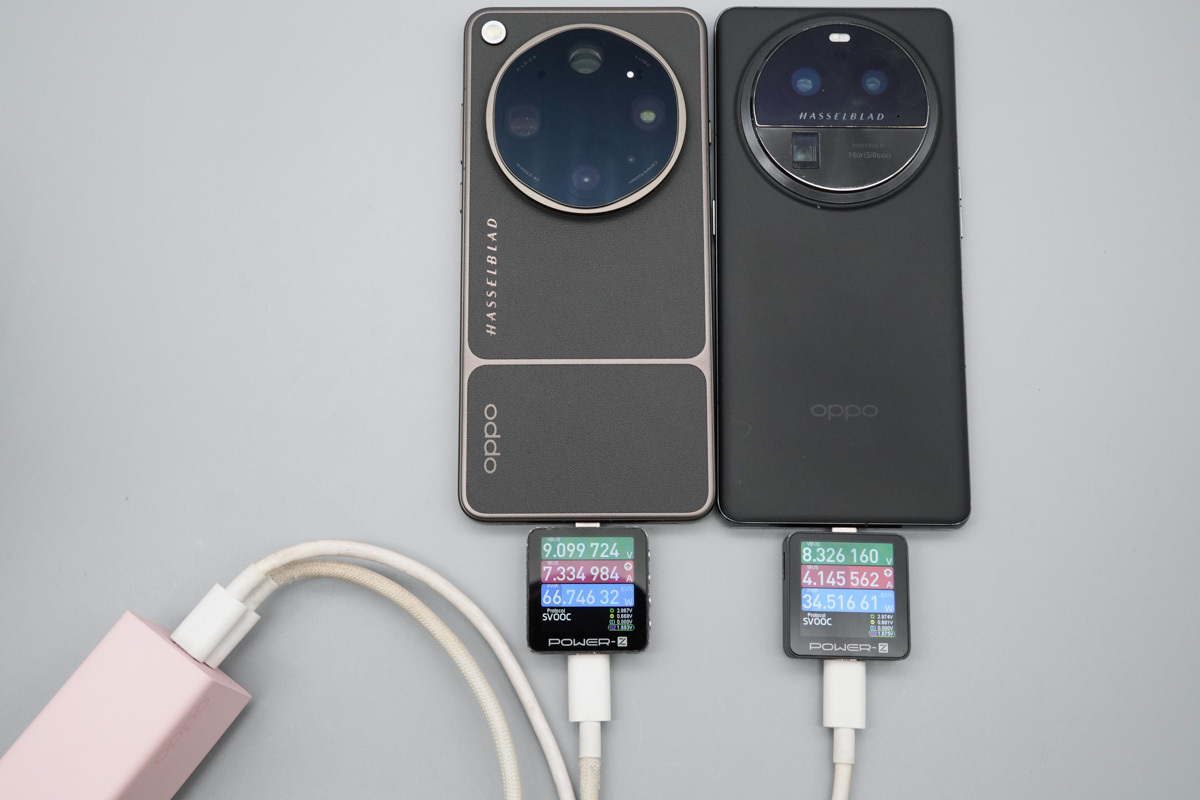
These results show that the charger can intelligently split power based on device demand. It is not a simple fixed split. For travelers or office users who carry a laptop and a phone, this means one compact charger can replace two separate power bricks without completely starving either device.
Charging Speed: iPhone 17 Pro Max Test
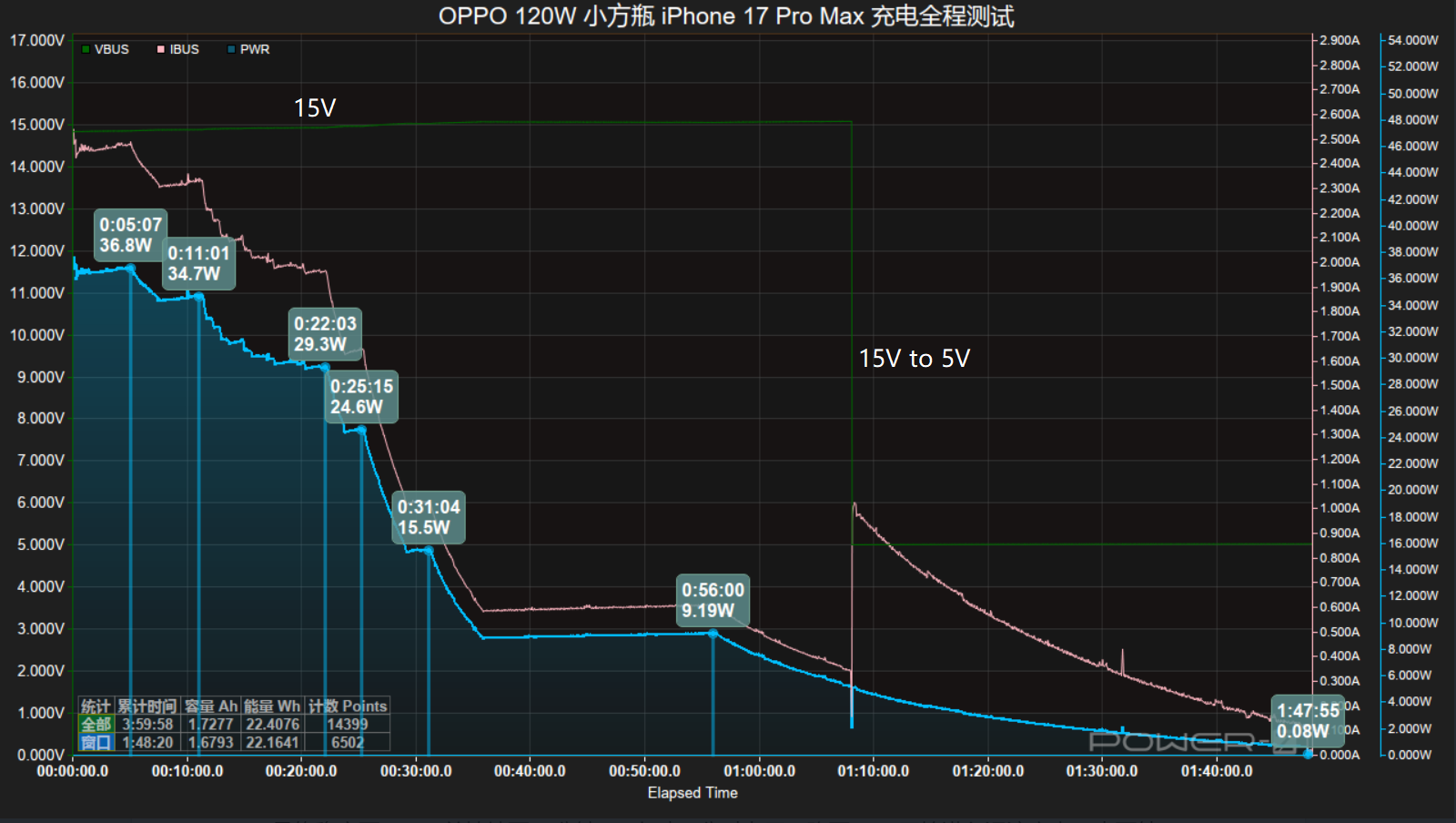
For charging-speed testing, an iPhone 17 Pro Max was placed in a 25°C chamber. After connecting power, the phone negotiated 15V and charged at about 36.8W for the first 5 minutes. Power then dropped to 34.7W until 11 minutes, then to 29.3W until 22 minutes. It later stepped down to 24.6W and 15.5W before stabilizing at 9.25W until 56 minutes. At 1 hour 09 minutes, voltage dropped to 5V and entered trickle charging.
Full charge took about 1 hour 47 minutes 55 seconds. The charger reached 50% in 20 minutes, 80% in 45 minutes, 90% in 1 hour, and 100% in 1 hour 47 minutes 55 seconds. In the first 20 minutes, it matched original 40W charger performance, while the gentler later stage may help battery longevity.
Charging Speed: MacBook Pro 16 M4 Pro Test
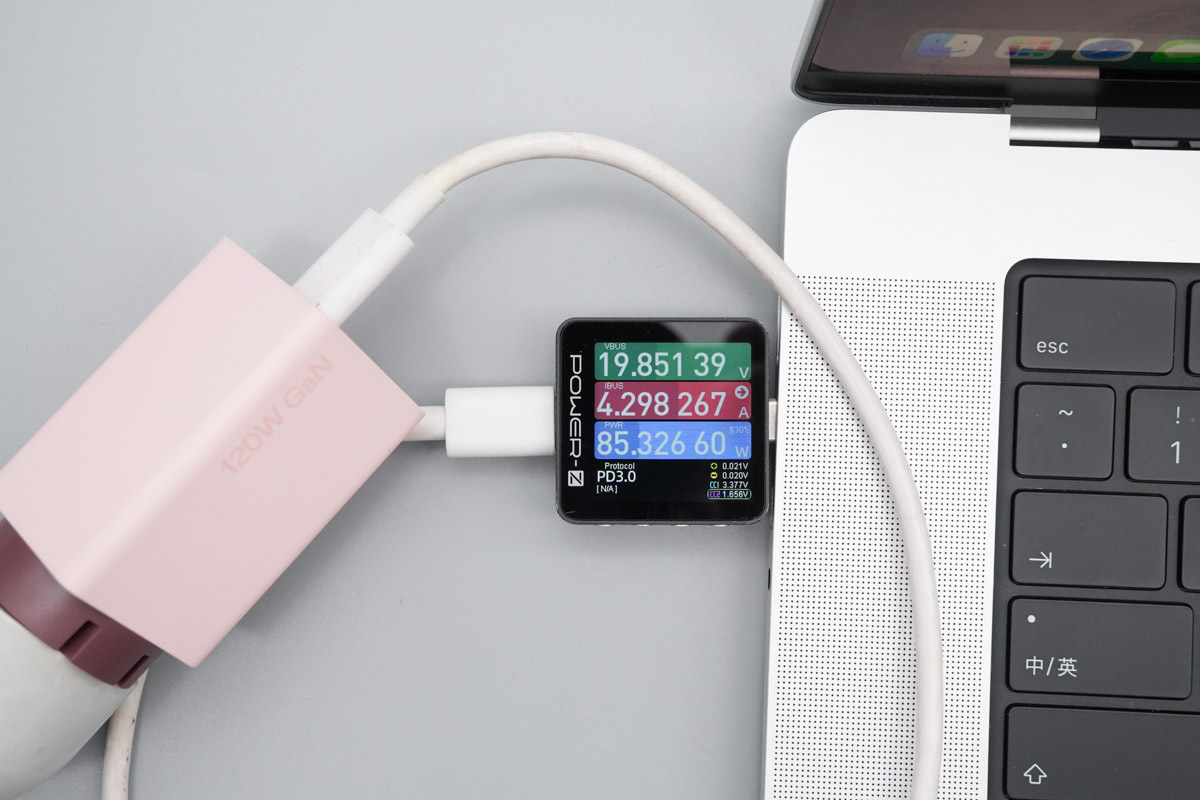
With a MacBook Pro 16 M4 Pro, the charger negotiated 20V and delivered about 88.7W until 24 minutes. Power then dropped to 64.2W until 1 hour 04 minutes, then to 52.9W until 1 hour 23 minutes. After that, power tapered gradually until the battery was full. Total charging time was about 2 hours 31 seconds. It reached 38.7% in 30 minutes, 50% in 41 minutes, 80% in 1 hour 13 minutes, 90% in 1 hour 25 minutes, and 100% in 2 hours 31 seconds.
This is strong performance for a compact GaN charger and confirms that it can handle high-power laptops as well as phones.
No-Load Power Consumption
Standby power is an important detail for always-plugged-in chargers. At 220V 50Hz, no-load power consumption measured 0.06W. Over a year, that equals about 0.53kWh. At a typical electricity price of 0.6 yuan per kWh, the annual cost is about 0.32 yuan. At 110V 60Hz, no-load power was 0.0378W, or about 0.33kWh per year. At the same electricity price, that is roughly 0.20 yuan per year. These are very low standby losses and should not be a concern for most users.
Conversion Efficiency: Strong at High Voltage
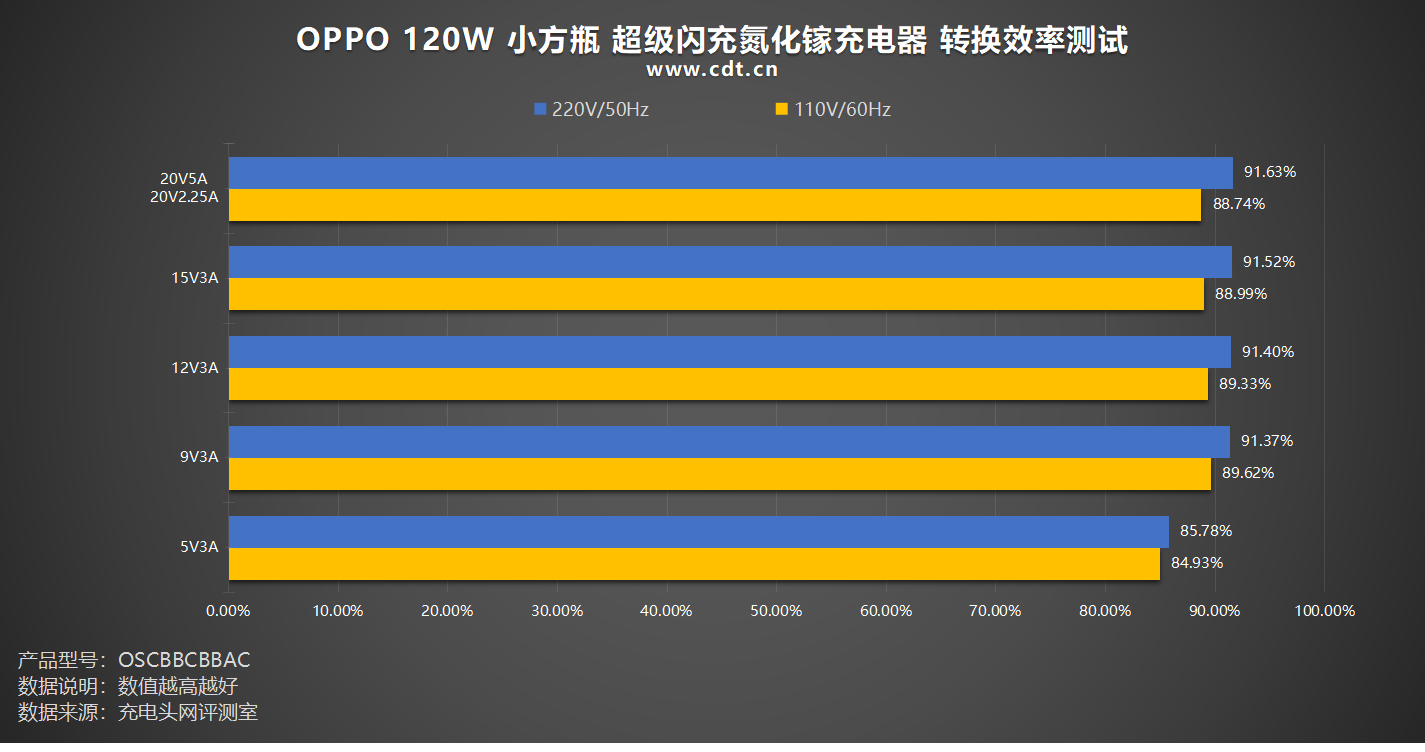
Conversion efficiency was tested at both 220V 50Hz and 110V 60Hz. At 220V, overall efficiency ranged from 85.78% to 91.63%. The best result was the 20V5A档位? The highest was 20V5A at 91.63%, while the lowest was 5V3A at 85.78%. At 110V, efficiency ranged from 84.93% to 88.99%. The best result was 15V3A at 88.99%, and the lowest was again 5V3A at 84.93%.
These figures are mainstream for this class and the peak efficiency is particularly good. Higher efficiency means less energy is wasted as heat, which helps the charger stay cooler under load.
Ripple and Output Quality
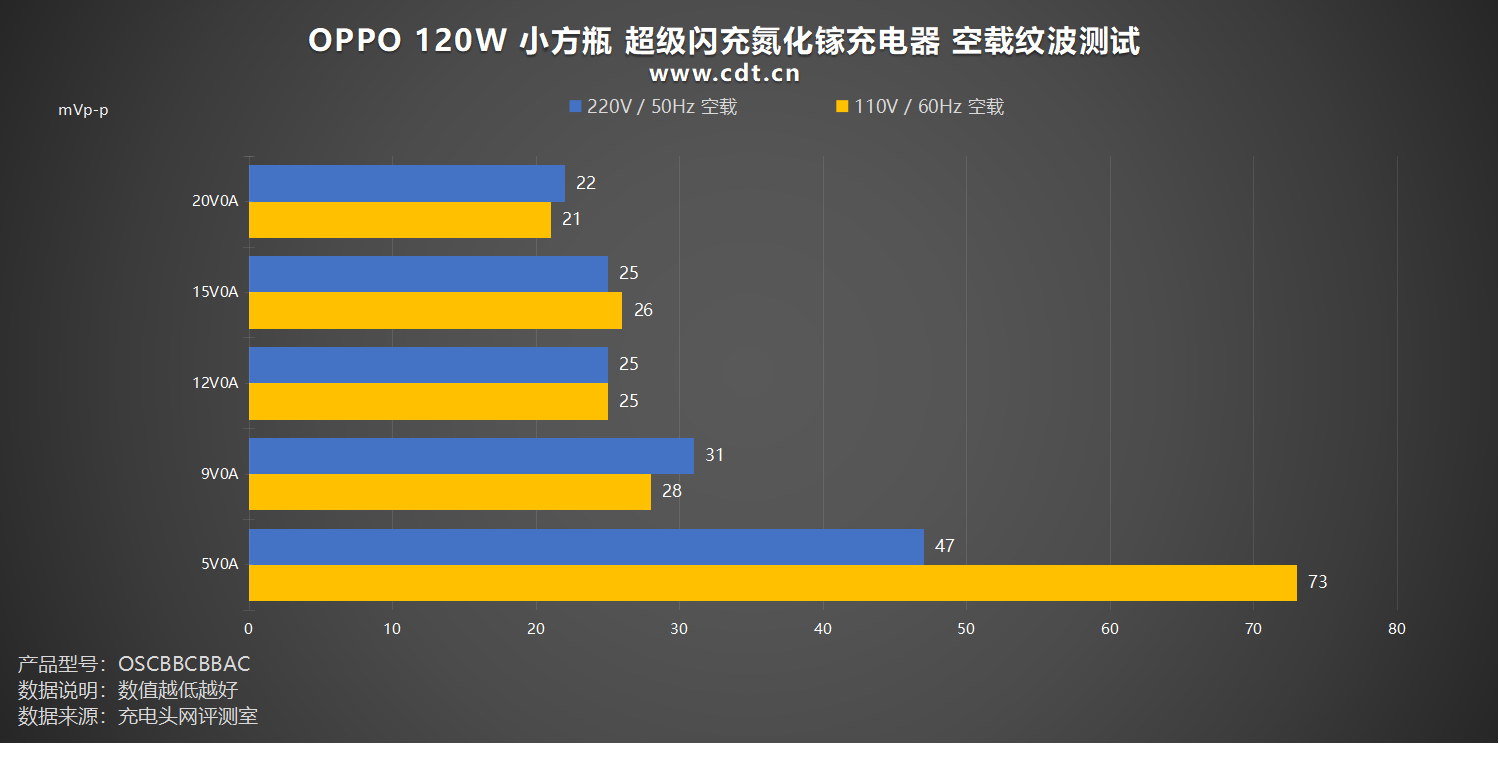
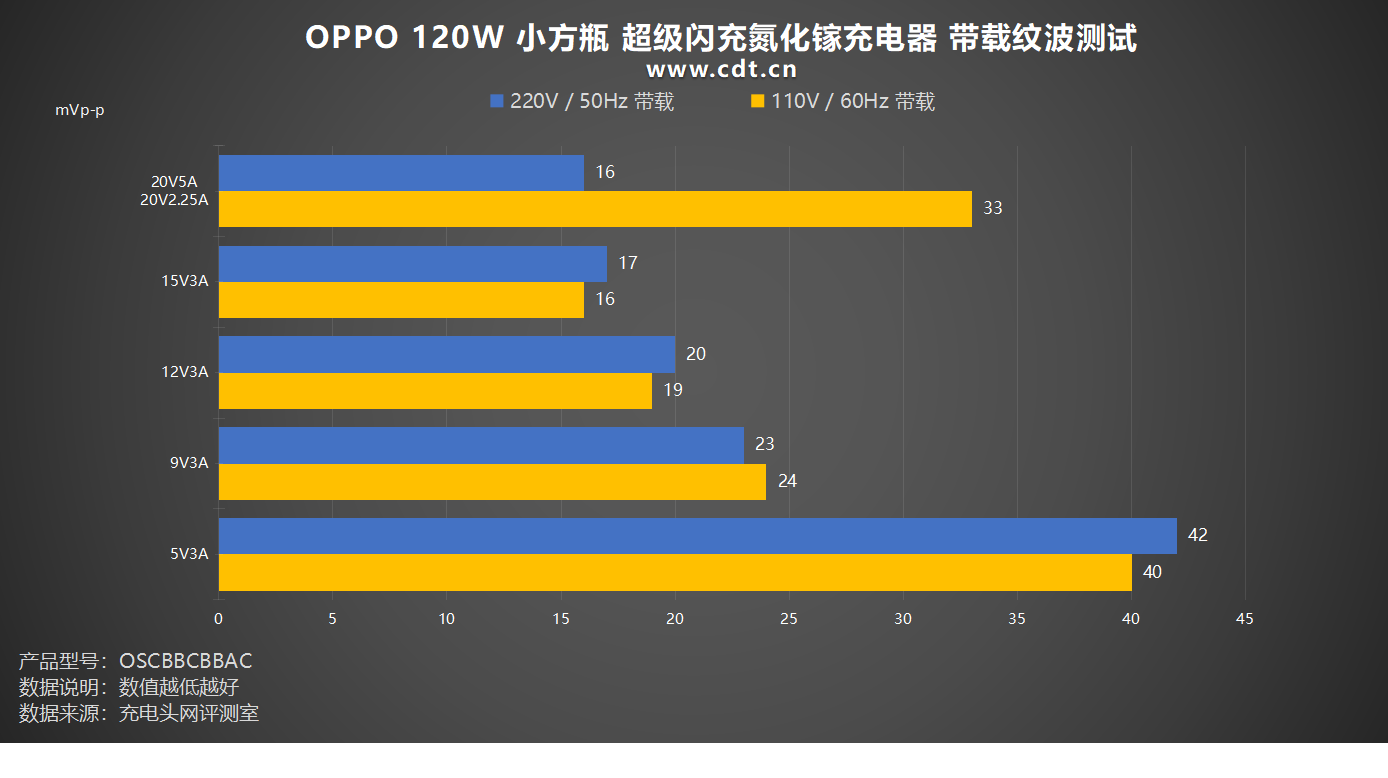
Ripple testing examined both no-load and loaded conditions. At 220V no-load, the highest ripple was 47mVp-p at 5V0A, while the lowest was 22mVp-p at 20V0A. At 110V no-load, the highest was 73mVp-p at 5V0A, and the lowest was 21mVp-p at 20V0A. Under load at 220V, the highest was 42mVp-p at 5V3A, and the lowest was 16mVp-p at 20V5A. Under load at 110V, the highest was 40mVp-p at 5V3A, and the lowest was 16mVp-p at 15V3A.
The YD/T 1591-2009 communications industry standard requires ripple not to exceed 200mVp-p. This charger stayed below 73mVp-p in all tested cases, showing clean and stable output.
Safety, Standards, and Portability
Safety is a clear focus. The charger follows the new GB1002-2024 standard and includes insulating sleeves on the plug pins. This is a meaningful upgrade because it reduces accidental contact risk when plugging or unplugging the charger. The foldable prongs also make the charger easier to pack without snagging other items.
Combined with its low weight, small volume, and soft-touch shell, the OPPO 120W Mini Square Bottle is well suited to travel, commuting, and office use. It feels more like a premium lifestyle accessory than a basic power brick.
Final Verdict: A Nearly Complete Compact Charger
The OPPO 120W Mini Square Bottle dual USB-C GaN charger delivers a rare combination: compact size, 1.64W/cm³ power density, 120W single-port output, 125W dual-port total output, and wide protocol support. It handles SUPERVOOC, UFCS, PD3.0, QC3.0, PPS, and DCP, so it works well with OPPO and realme phones, iPhones, MacBooks, Windows laptops, and gaming handhelds.
Dual-port splitting is practical, standby power is low, efficiency is strong, and ripple remains well within standards. For users who want one small charger for travel and daily multi-device charging, this is an excellent choice.
 UGREEN 140W Four-Port GaN Charger Review: PD3.1, QR Flyback, and 3C1A Fast Charging