



In Depth Analysis Of Xiaomi 17 100W GaN Charger Design Performance And Teardown
 06 Jan,2026
With the launch of the Xiaomi 17 flagship series, Xiaomi once again raises the bar for battery life and fast charging performance. Powered by the Snapdragon 8 Gen 5 Extreme Edition processor, paired with a high-capacity battery and a 100W fast-charging solution, the new devices push efficiency and charging speed to new limits.
Bundled with the Xiaomi 17 series is the original 100W GaN charger, which adopts a Huayuan Zhixin Semiconductor HY1659MSP7 + HY906S ultra-low standby power solution. How does this new architecture impact circuit design, charging compatibility, thermal performance, and real-world efficiency? Let’s find out through a detailed exterior review and an in-depth teardown.
1. Exterior Design: Minimalist Looks with Thoughtful Details
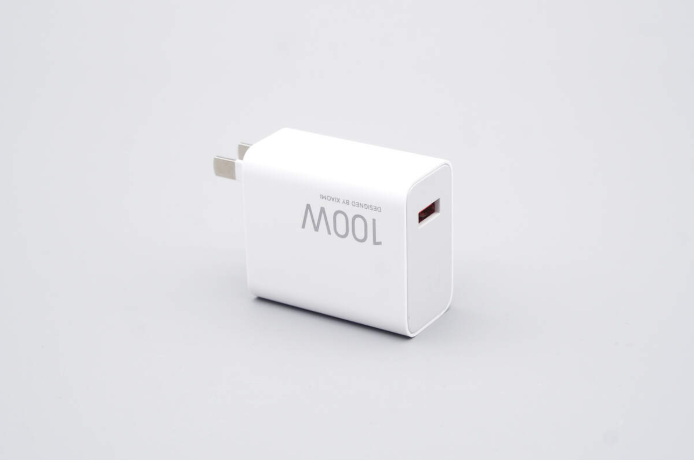
The Xiaomi 17 original 100W GaN charger features a classic rectangular form factor with an integrated body design. Finished in glossy white, the surface feels smooth and refined, delivering a premium in-hand experience.
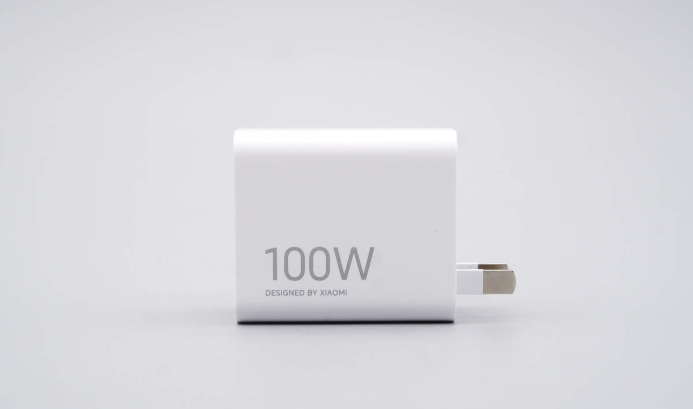
Clear markings on the front and back display the “100W” power rating and “DESIGNED BY XIAOMI” branding. The input side lists complete electrical specifications for quick reference. The AC prongs use a new national standard semi-insulated design, enhancing safety and reducing the risk of accidental contact.
On the output side, the charger is equipped with a customized USB-A port featuring Xiaomi’s signature orange insert. A special contact structure at the front of the port enables up to 65W PD fast charging when paired with Xiaomi’s proprietary cable—balancing universal compatibility with brand-specific performance.
2. Key Specifications and Physical Measurements
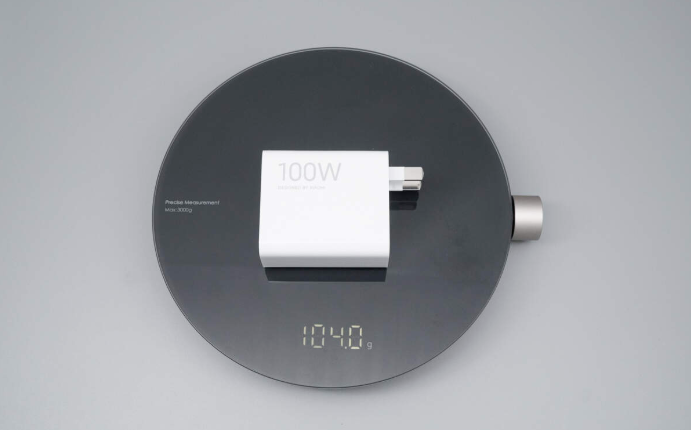
Measured dimensions are 55.96 × 48.88 × 27.75 mm, with a total weight of approximately 104 g. Compared with Apple’s 96W charger, Xiaomi’s solution is significantly more compact and lighter, making it ideal for both desktop use and travel.
3. Charging Protocols & Standby Power Performance
Using the ChargerLAB POWER-Z KM003C, the charger was tested for protocol support and power behavior.
It supports QC3.0, PD3.0, DCP, and Xiaomi’s 100W proprietary fast-charging protocol, ensuring broad compatibility across Xiaomi devices and third-party electronics.
These dynamic PPS profiles allow precise voltage adjustment, optimizing both charging speed and device safety.
Ultra-Low Standby Power
Standby power consumption is where this charger truly stands out:
110V input: 1.25 mW
220V input: 3.2 mW
According to IEC 62301, standby power below 5 mW qualifies as zero standby. The Xiaomi 100W charger easily meets this requirement, validating the efficiency of the HY1659MSP7 + HY906S power architecture.
4. Positioning vs. Other Power Classes (30W / 45W / 65W / 140W)
Compared with 30W and 45W chargers, which are primarily designed for smartphones and lightweight tablets, the 100W charger delivers a far wider voltage range and significantly higher current output, making it suitable for laptops and multi-device scenarios.
Against 65W chargers, the Xiaomi 100W model offers superior headroom for high-performance laptops and gaming devices, while maintaining similar physical compactness thanks to GaN technology.
When compared to 140W chargers, which often target USB-C PD 3.1 EPR applications, Xiaomi’s 100W solution prioritizes efficiency, compact size, and ultra-low standby power, making it a more balanced choice for everyday flagship users.
5. Internal Teardown: Compact Layout with Advanced Thermal Design
After cutting open the housing, the internal PCBA module is revealed. The AC input uses metal spring contacts, while protective foam and thermal films line the inner shell to absorb shock and aid heat dissipation.
The PCBA measures 50.16 × 44.4 × 22.75 mm, demonstrating a highly compact internal layout.An integrated heatsink covers the top and sides of the board, with plastic insulation separating primary and secondary circuits. The bottom section includes a plastic plate and a brass heat spreader, forming a multi-layer thermal management system.
White adhesive is applied between major components such as capacitors and the transformer to improve structural stability. The USB-A port is reinforced with an external plastic sleeve, and key areas on the back of the PCB—particularly around the primary controller—are also secured with adhesive.
6. Core Power Architecture: HY1659MSP7 + HY906S
On the PCB, the front side houses the fuse, high-voltage electrolytic capacitors, transformer, and output solid capacitors, with clear isolation between primary and secondary sections.The rear side contains the primary controller, switching MOSFET, optocoupler, synchronous rectifier, protocol IC, and VBUS switching MOSFETs. Among them, the Huayuan Zhixin HY1659MSP7 and HY906S chips form the heart of the system—enabling both 100W high-power output and true zero-standby power consumption.
 ASUS Adol 140W GaN Charger: Soaring Power, Still Impressive Design - A Premium Charger in Wall